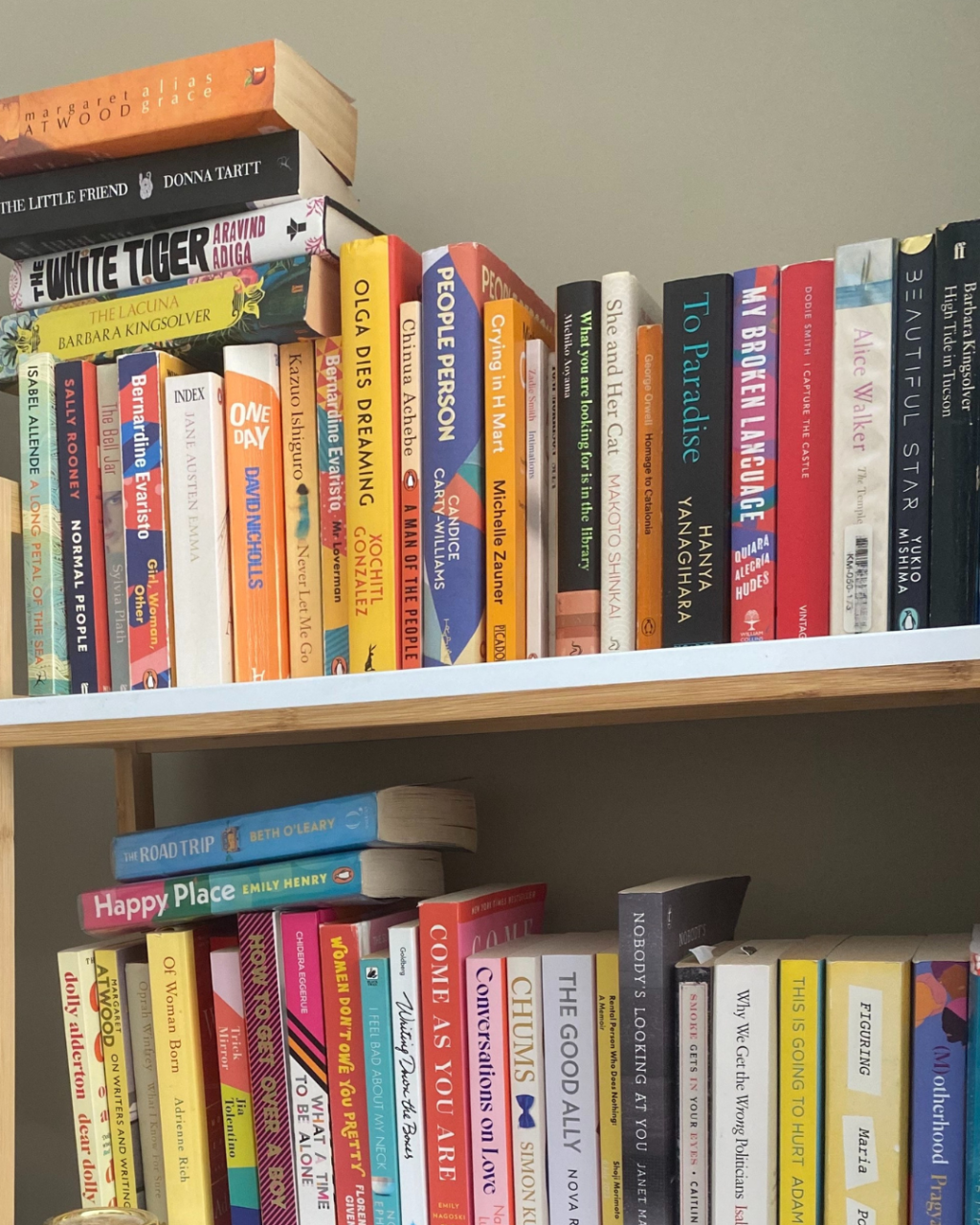
There’s nothing I want less than to be even. I hope to always be on the back foot. I sat down at work the other day, and a friend had left a book I lent them on the keyboard. They were moving teams. Their desk was scrubbed of life, and there was the book, with blue eyes looking at me. It felt like finality. My debts paid in full. Everything fair and squared away. Their hands washed of me. I know this is not what they thought; they simply wanted to return what is mine. But there is a weighted finality when you get back what’s yours. When the web of borrowing and lending, of me and my stuff, you and your stuff, comes to an end. I’m no longer in their hands, on their bedside table, or balancing on top of their bookshelf. They return the book, and in so doing, have no need to see me again. The gavel beats and I’m flattened beneath. Friendship adjourned.
In Debt: The First 5000 Years, the late David Graeber discusses the history of debt. People used to exchange goods and services; debt and lending were the currencies before currency. If someone lent you a sheep, you’d lend them two or give back their original with a bell; a little extra so they then owed you. That’s how relations continued, always owing or owed to someone else. Graeber asserts that:
‘To bring back an exact equivalent, would be to suggest that one no longer wishes to have anything to do with the neighbour… it’s an endless circle of gifts to which no one ever handed over the precise value of the last object received. And in doing so, they were continually creating their society.’
Gifts paid in full are, therefore, equivalent to a curtain close or the pitch black of the TV. When I saw my book, I could hear the flatline. I looked at the clock and called time of death.
When I break up with a partner, I feel compelled to return every scrap of what’s theirs. By packing their belongings in a box, I ship them out of my life. I’ve paid my debts in full without the worry of a text three months later asking for a jumper back. It feels embarrassing to owe someone you are done with. I once had an ex attempt to give me back a nail polish. I told them just to bin it, but they insisted that I have the little glass bottle back. I thought it odd at the time to force the inconsequential into my hands. But now I think it must have been a need to pay their debts. To be even with me in any minute way possible. To bring the lopsided scales back to centre. When I rejected it, I robbed them of the feeling of equity. In many ways, nail polish included, I was still owed.
I love lending. One of the greatest joys in my life is to love something and give that love to someone else. Books are the best to give because stories affect us in so many ways. You don’t just give someone a tattered book; you gift them romance, suspense, whole worlds. Then once they’ve read it, you can talk about it – another gift to be repaid! I lend out books so much that I think half my library must be scattered around the country. I’ve lost track of where they are, but I don’t mind. I hope they find their way back to me one day, at which point I will offer another.
When you lend, you give someone a piece of yourself to enjoy. Have my bra, my hairbrush, my book, my camera. Take everything and cherish it. Give it back and take some more. Lending leaves the door open; I am promised the people I’ve lent to. I imagine they may think of me when they read it, wear it, or run it through their hair. I hope that people might be happier because of me. So please, if you love me, don’t repay your debts. Keep my stuff, give it back with more or less. Take again and again from my shelf. Have me with you always. Because unless it’s actual money, I don’t need it back, I don’t want it back. I want it to be open and our exchange to be endless. Our society forever creating itself, and our circle of gifts going like a merry-go-round.
That’s all this time. Leave a comment with your thoughts! Goodbye for now (◕‿◕)♡

 @icantstoptalkingblog
Leave a comment